Woodchipper
What is it?
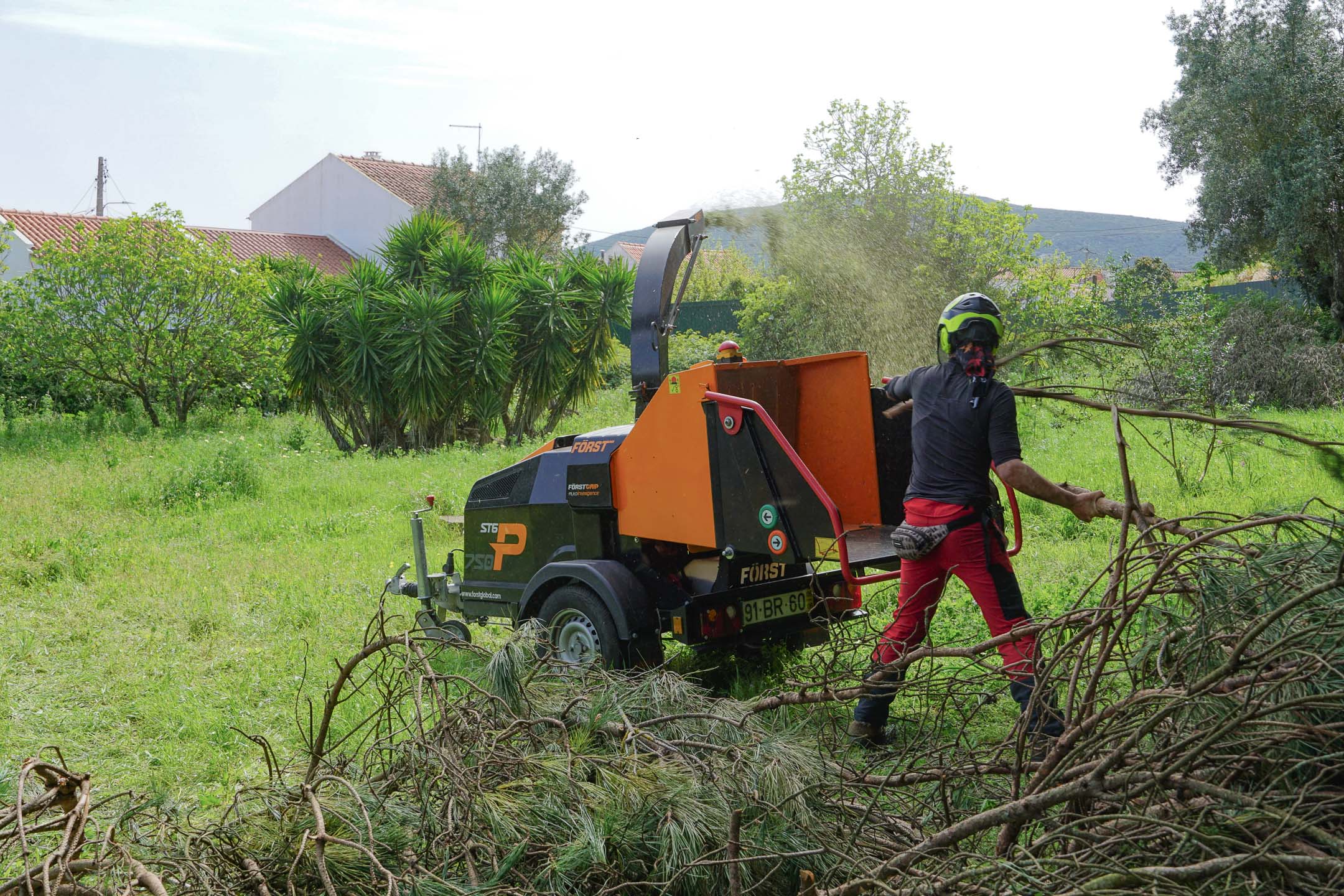
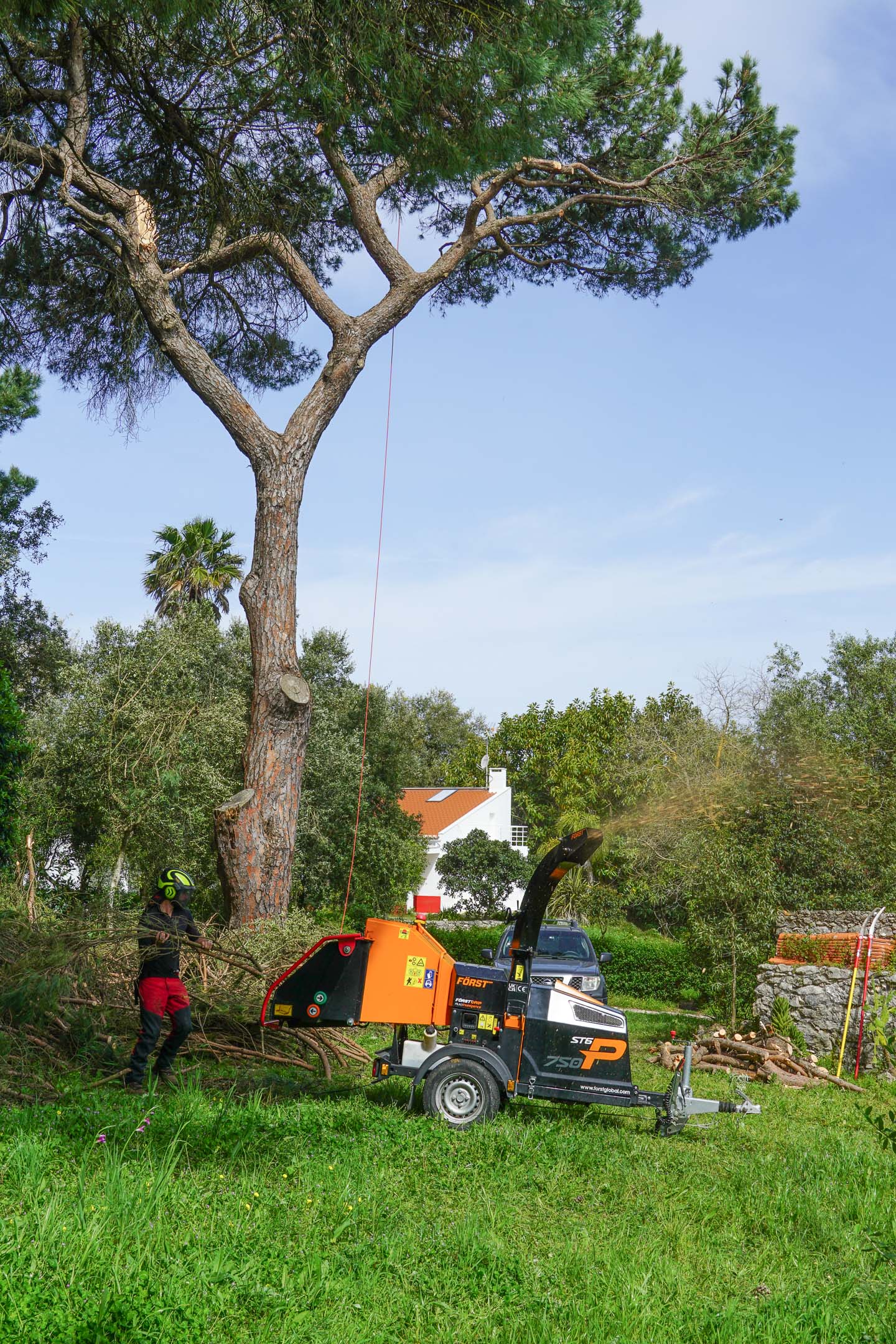
The woodchipping service, involves the shredding of plant waste such as branches, trunks, and foliage resulting from pruning, thinning, or tree removal. This process transforms debris into small fragments, making recycling and proper disposal easier. The chipped material can be reused as mulch, contributing to soil health and promoting sustainable practices in green waste management. Using a woodchipper allows the company to minimize environmental impact by reducing the volume of waste and promoting sustainability in tree care.
Advantages:
- Volume Reduction: The woodchipper significantly decreases the volume of plant waste, making it easier to transport and store.
- Waste Reuse: The chipped debris can be reused as mulch or compost, improving soil quality and promoting healthy plant growth.
- Environmental Sustainability: By recycling green waste, the woodchipper supports more sustainable practices, reducing the need to send materials to landfills.
- Work Efficiency: Chipping waste allows for faster and more efficient cleanup of work areas, saving time and resources.
- Pest Prevention: Transforming branches and foliage into small fragments can help prevent the spread of pests that thrive on dead or decaying wood.
- Aesthetic Improvement: Using chipped material as mulch can enhance the appearance of gardens and landscaped areas while conserving soil moisture.
- Compliance with Environmental Regulations: The use of woodchippers helps meet environmental regulations regarding green waste management, avoiding burning or improper disposal.
Disadvantages:
Noise: The use of the wood chipper can be quite loud, which may be a problem in residential areas or in places where noise should be minimized.